Good days out.
Better prepared.
Know your vessel, respect the conditions and protect the waters that make Florida worth exploring.
Biscayne Bay Boating Guide
Review current charts, forecast and notices. Check protected-area and speed restrictions.
Miami River Boating Guide
Check bridge information and clearance needs. Allow for commercial traffic and delays.
Haulover Boating Guide
Discuss conditions with the responsible operator. Review current marine forecast and local information.
Safety Equipment Requirements by Vessel and Use
Identify vessel and service category. Check current applicable equipment rules.
Preparing for a Coast Guard Boarding
Maintain accessible vessel records. Brief crew on their responsibilities.
Voluntary Safety Checks vs Regulatory Inspections
Identify the type of check. Read its scope.
Life Jacket Selection and Applicable Requirements
Select appropriate approved equipment. Inspect condition and sizing.
Marine Fire Extinguishers and Checks
Check applicable equipment requirements. Follow maintenance instructions.
Visual Distress Signals and Applicability
Check applicability for the trip. Inspect required equipment.
Navigation Lights and Sound Signals
Confirm the vessel's lighting arrangement. Report faults before use.
VHF, DSC, EPIRBs and Emergency Communications
Identify installed devices. Use manufacturer and official instructions.
Lookout, Safe Speed and Navigation Rules
Maintain an effective lookout. Review the applicable rules.
Weather Assessment and Departure Decisions
Review official forecasts. Consider the vessel and people aboard.
Predeparture Checks and Guest Safety Briefings
Explain relevant equipment and movements. Identify who to contact.
Preparing and Sharing a Float Plan
Record vessel and people aboard. Include route and expected return.
Docking and Anchoring Safety Fundamentals
Confirm the plan with the operator. Keep guests clear of working areas.
Key Biscayne Boating Guide
Check the exact route and intended stopping area. Review wildlife and park restrictions.
Florida Boating Education Requirements
Identify the operator and activity. Review FWC requirements and exceptions.
Livery Pre-Rental Instruction and Records
Use the applicable FWC instruction requirements. Document completion appropriately.
Finding and Understanding Manatee Protection Zones
Use FWC zone resources. Check location and seasonal conditions.
Idle Speed, Slow Speed and Local Restrictions
Identify the sign and location. Review official definitions.
Responsible Dolphin and Sea Turtle Encounters
Review official viewing guidance. Avoid feeding or pursuit.
Protecting Seagrass and Coral
Consult current charts and area rules. Assess depth and vessel draft.
Divers-Down Devices and Boater Responsibilities
Review current FWC rules. Watch for divers-down devices.
Finding Current Fishing Licenses, Seasons and Limits
Identify state or federal waters. Check current species rules.
Marine Protected Areas and Site Rules
Identify the managing authority. Review permitted activities.
Reporting Injured or Distressed Marine Wildlife
Keep a safe observation distance. Note location and visible condition.
Florida Boating Accident Reporting
Seek emergency assistance when needed. Check applicable reporting rules.
Person-Overboard Preparation and Drills
Identify assigned crew roles. Review vessel-specific equipment.
Preparing for Fire or Flooding
Learn the vessel's procedures. Know communication and evacuation arrangements.
Grounding and Collision Response Planning
Review the vessel's emergency plan. Identify assistance contacts.
Towing vs Salvage Agreements
Identify the service provider. Ask what agreement applies.
Responding to a Boating Citation or Enforcement Notice
Read the notice carefully. Preserve relevant records.
Preserving Records After a Charter Incident
Retain booking and vessel records. Protect relevant photos and messages.
Preparing for Medical Emergencies Aboard
Review trained crew capabilities. Check communication and first-aid arrangements.
Boat Sewage Systems, Pump-Outs and Discharge Rules
Identify the vessel's sanitation system. Check applicable discharge restrictions.
Fueling and Spill Prevention
Confirm responsibilities before fueling. Follow facility and vessel procedures.
Reporting Oil and Fuel Spills
Use applicable official reporting channels. Record the substance and location if known.
Boat Waste and Responsible Cleaning Products
Secure waste aboard. Use lawful disposal facilities.
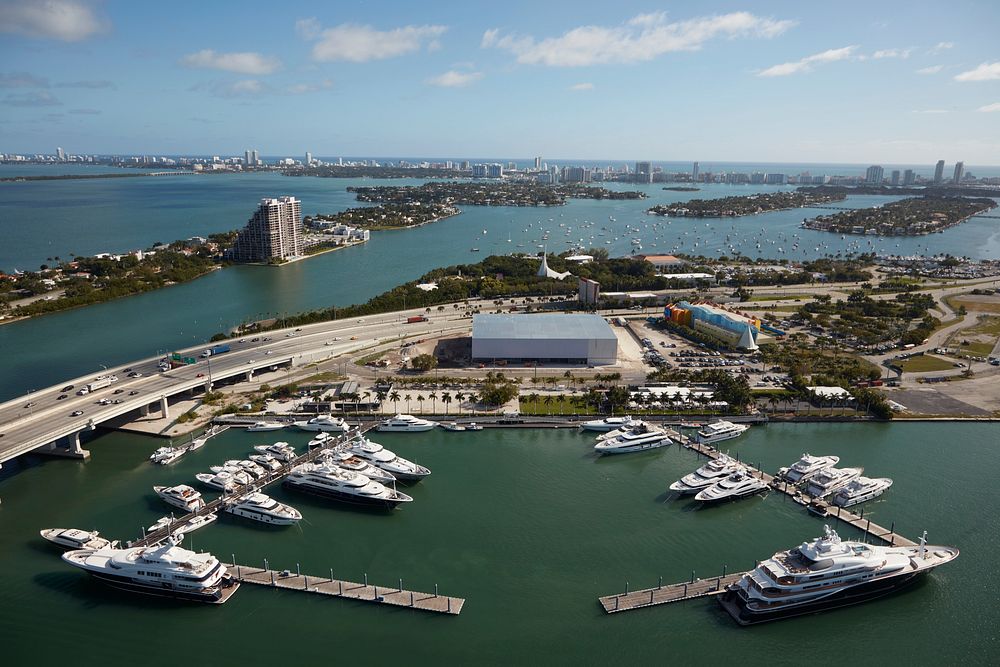
Miami is more than a backdrop.
Marina access. Biscayne Bay. Yacht careers. The details behind running a charter. Explore the questions that make boating here its own experience.
Get to know the Miami hub